April 8, 2015
Chapter 47: America's Enduring Anguish as a White Nation | The Dawn of the First Black President and the Extent of Change
Chapter 47: America's Enduring Struggle as a White Nation
The Inauguration of the First Black President and the Extent of Change
By Shizuyuki Ima
Obama's Presidency and the Issue of Race
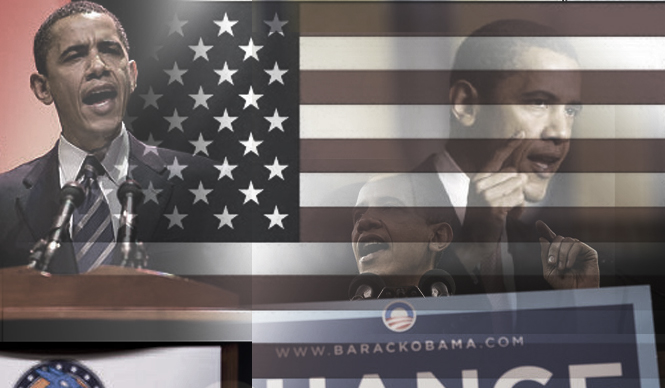
For the first time in America's 233-year history, a Black president has been inaugurated. He is the 44th president, Barack Obama.
While America champions freedom and democracy, its progress on racial issues has been a somber, thorny path. Just 40 years ago, restrooms and restaurants were segregated by race. This is something unimaginable in Japan.
When I ask young students what percentage of America's 300 million population is Black, many reply 50% to 60%. Of course, this is not based on any particular evidence, but rather an emotional perception.
Blacks Constitute a Mere 13.5% of the Population
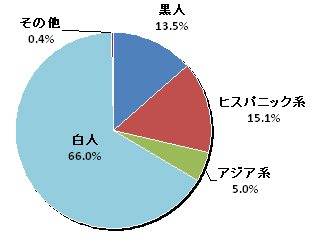
In reality, looking at America's demographic composition, Black people number just over 40 million, a mere 13.5% of the population. This is less than the Hispanic population of 45.5 million, or 15.1%.
For reference, the Asian population, which has seen a notable increase recently, stands at 15.2 million, or just 5%. The overwhelming majority are White, numbering 199.1 million, or 66%. America is, quite literally, a "White nation."
The reason young people might assume Blacks make up over 50% is likely due to the overwhelming presence of Black athletes on television in sports like baseball, track and field, basketball, and American football.
Furthermore, I believe the significant number of Black musicians and entertainers, such as jazz artists, also contributes to this perception.
In Politics, Only One Black Senator Among 100
Looking at the political landscape, there is only one Black senator among the 100 members of the Senate: Obama himself. In the House of Representatives, there are 40 Black members, accounting for about 9% of the total. This is less than 10%. As needs no further explanation, America remains fundamentally a White nation. This is precisely why the birth of a Black president is a historic event, a matter of paramount global concern, not just for America alone.
Clear Racial Disparities Persist
To argue that American society has matured simply because a Black president has been elected is overly simplistic and shortsighted.
This is because a non-White society of over 100 million people exists. Comparing the non-White population, including Black Americans, with the White population reveals an unemployment rate more than double for non-Whites. Black executives in major corporations lag far behind their White counterparts, and their salaries are also lower.
The issue of racial disparity cannot be resolved overnight by the emergence of a single Black president.
In that sense, I am genuinely curious to see how President Obama will perform. We must accept that change will not be easy. The struggles of America with racial issues are likely to continue.