What You Can Do to Achieve Sustainable Fashion
What is Sustainability in Fashion?
The adoption of the SDGs (Sustainable Development Goals) at the UN Summit in 2015 has globally heightened interest in sustainability. We have entered an era where each individual must review their lifestyle and be conscious of reducing their burden on the planet. What can we do now, not just for ourselves living in 2020, but for the children who will lead the next generation and beyond? Why not start by incorporating environmentally and socially conscious choices into your daily fashion?
Sustainable Actions You Can Start Today
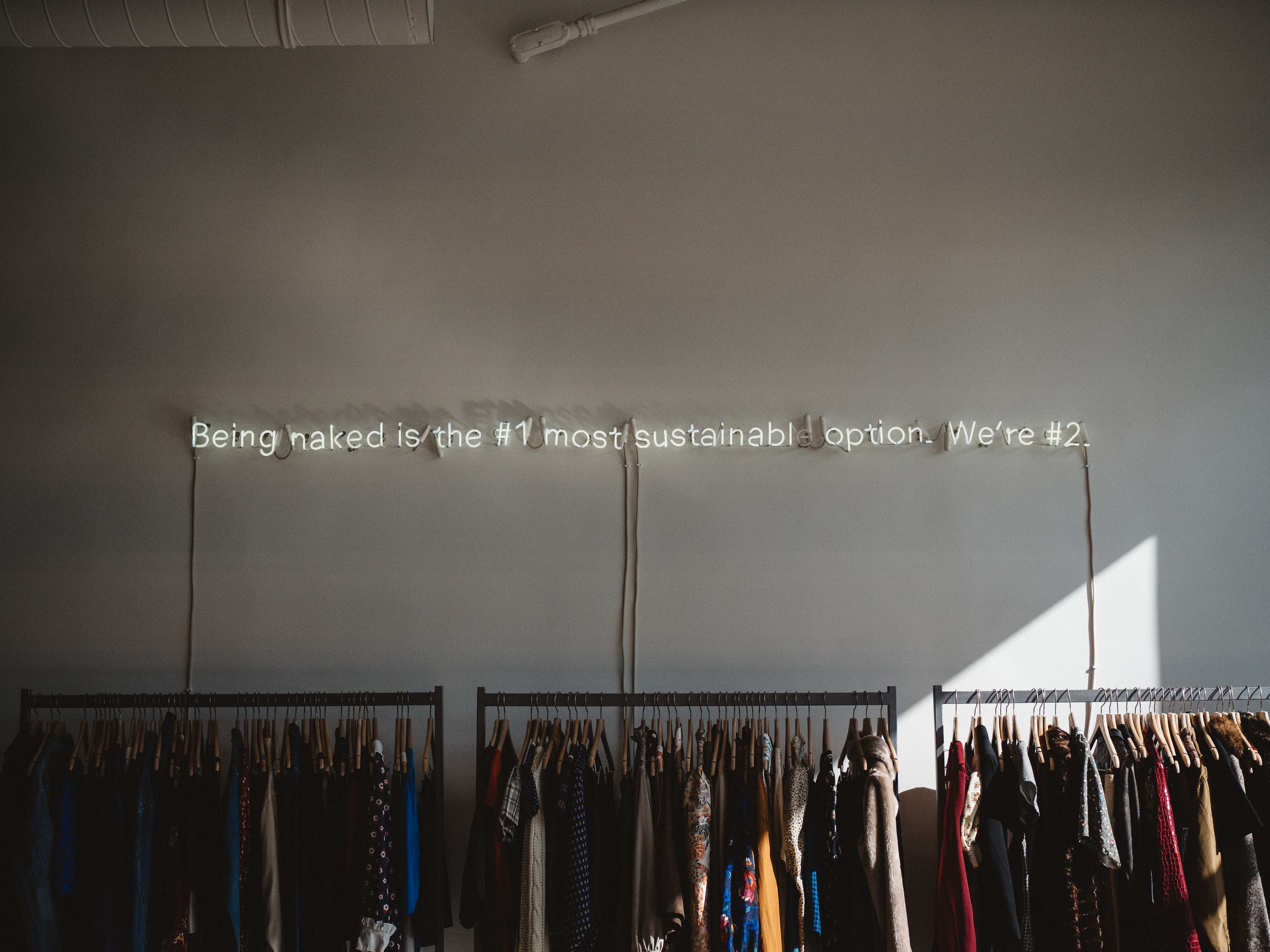
The fashion industry is actually a concern for placing a significant burden on the planet, said to be the world's second-largest polluter after the oil industry. The problematic aspect is the societal system of "mass production, mass consumption, and mass disposal." With the rise of fast fashion, clothing consumption has increased year by year, and consequently, the amount of clothing discarded per person has also risen. Currently, Japan's annual clothing disposal is estimated at about 1 million tons, which translates to approximately 3 billion garments discarded each year. Beyond the sheer volume, the annual supply of clothing exceeds 4 billion pieces.
While it may not seem directly related, this has a significant impact on the global environment. It may not be widely known that the fashion industry accounts for about 10% of all carbon dioxide emissions, a cause of global warming that worsens year by year. A single garment consumes a vast amount of energy and generates carbon dioxide throughout its lifecycle, from manufacturing and transportation to procurement, sales, collection, and disposal. Furthermore, the fashion industry presents a dire planetary crisis, with greenhouse gases and wastewater generated during garment production and incineration, and the mass disposal of animals for down, leather, and fur.
Against this backdrop, an increasing number of brands and companies are focusing on sustainability, aiming to balance fashionability with environmental protection. Many companies are now branding themselves by appealing to consumers that being sustainable is cool and stylish.
Among high-end brands, STELLA McCARTNEY was an early adopter of sustainable practices. Stella, a vegetarian and animal rights advocate, has not used any animal-derived materials such as leather, fur, or down, nor PVC (polyvinyl chloride) since establishing the brand in 2001. Instead, she has presented collections using eco-friendly materials like recycled cashmere, regenerated nylon, and artificial spider silk.
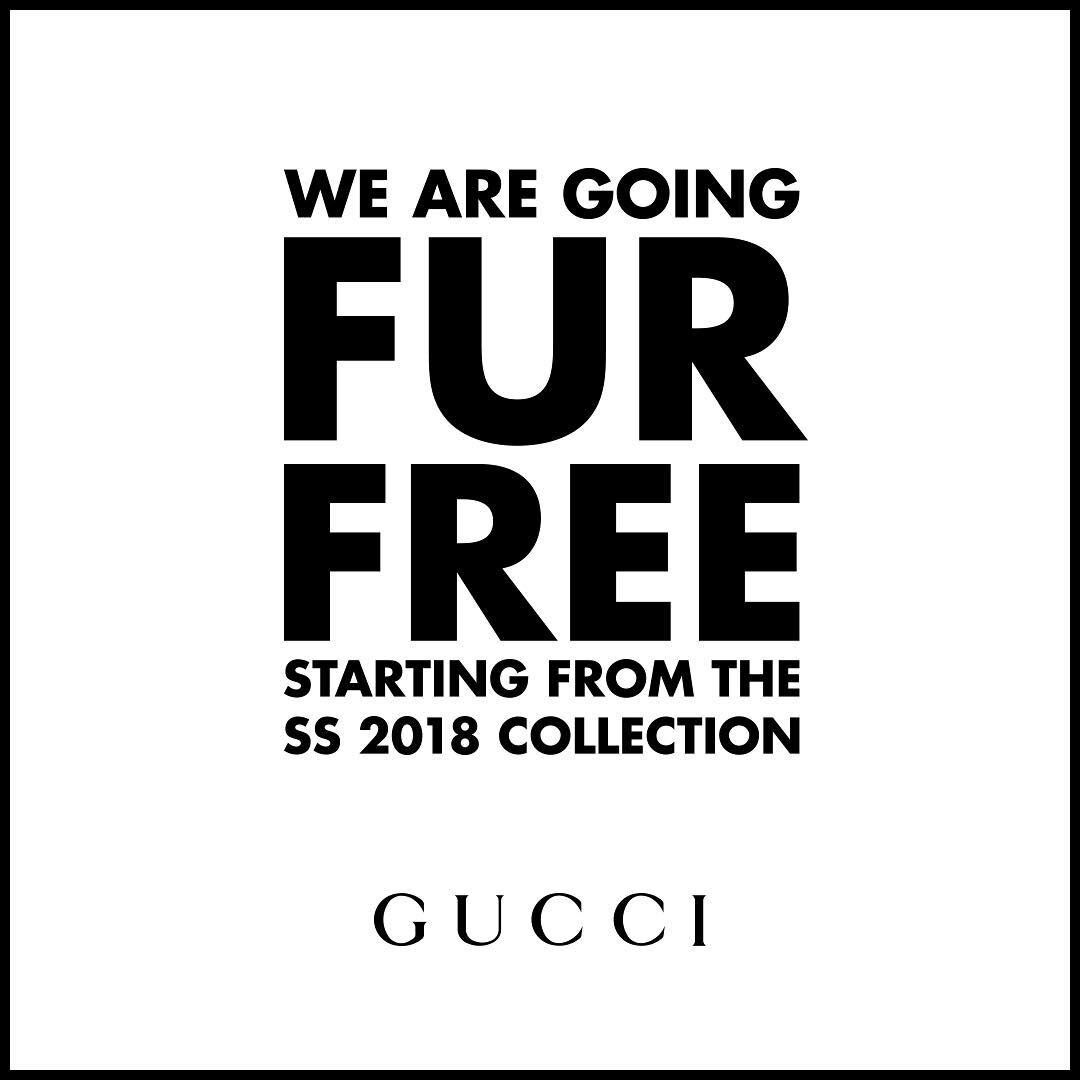
GUCCI is also one of the brands that has been involved in sustainable activities from an early stage. In 2017, the brand declared a fur-free policy, banning the use of animal fur from its Spring/Summer 2018 collection onwards, completely eliminating items made from natural fur or animal parts. The following year, in 2018,
GUCCI EQUILIBRIUMwas launched as a dedicated website to report on various initiatives. In addition to manufacturing and selling products made from sustainable materials, the company contributes to the realization of a sustainable society from multiple perspectives, including gender equality and the improvement of living standards in developing countries.
From the official Instagram of Gucci (@gucci)
The Prada Group, which operates PRADA and MIU MIU, also declared a fur-free policy in 2019, discontinuing products using animal fur from its Spring/Summer 2020 collection. Furthermore, Prada launched the "Re-NYLON" project using recycled nylon, aiming to switch all nylon used to recycled materials by 2021.
From the official Instagram of Prada (
@prada) and Miu Miu (
@miumiu)
The examples above are just a few; currently, many brands are developing products and projects that consider the environment and sustainability. This is not a fleeting trend reacting to consumer behavior, but rather a major global theme that will become an increasingly important guideline for action. The day when "sustainability" becomes a standard criterion for choosing clothes may be near.
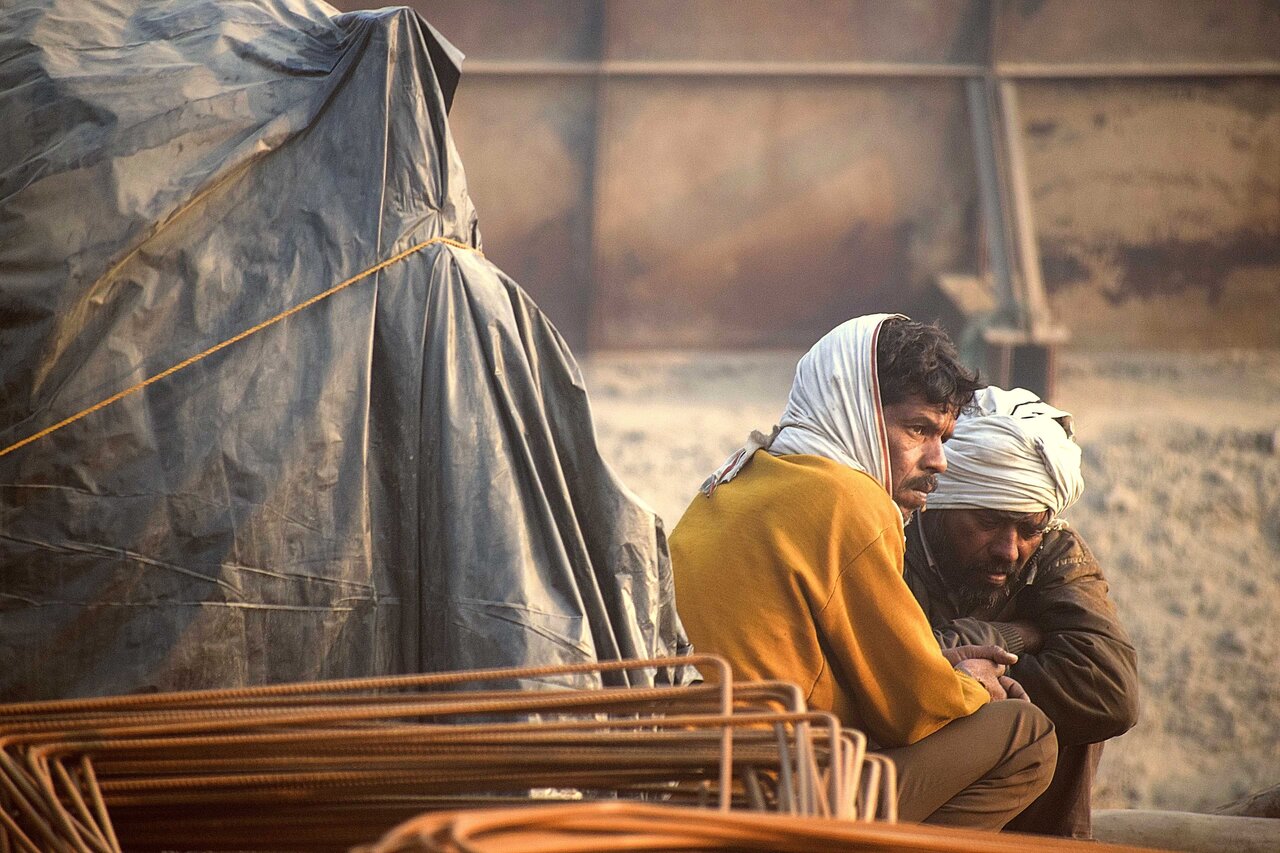
The collapse of a building housing garment factories near Dhaka, the capital of Bangladesh, in 2013, is likely still fresh in memory. This tragedy, which claimed over 1,100 lives and injured more than 2,500 people, brought renewed emphasis on the importance of establishing safe and well-maintained working environments.
Therefore, for the fashion industry to be sustainable, it is crucial not only to be environmentally conscious but also to guarantee the employment and safety of its workers. Key conditions include whether a clean and safe working environment is provided, whether workers are paid appropriate wages, whether production is sourced locally as much as possible, and whether animals are not harmed or killed for materials, nor are workers' health compromised or oceans and rivers polluted.
While SDGs are gaining global attention and individuals, not just companies, are expected to practice sustainable initiatives, there is also a common sentiment of "I don't know where to start." However, there's no need to overcomplicate things; progress is made by recognizing that our daily actions contribute to the protection and preservation of the environment and resources. It is important for each person living on Earth to think about environmental issues and take small steps in their daily lives. Why not start with what's close to you?
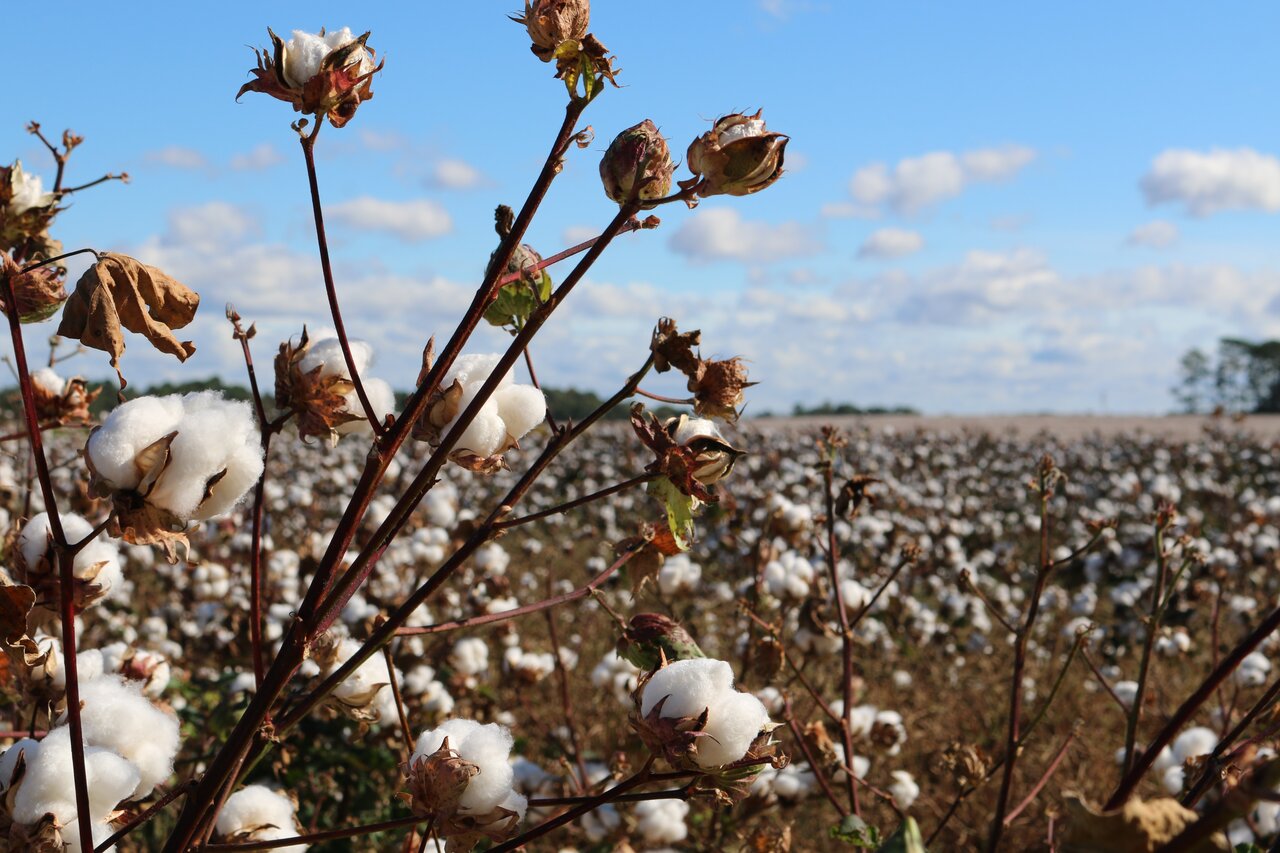
For instance, focusing on materials and choosing products with a lower environmental impact is one approach. Purchasing items made from organic cotton, grown without chemical pesticides and with protected labor conditions, or items made from recycled cashmere or recycled polyester, can be the first step towards sustainable fashion.
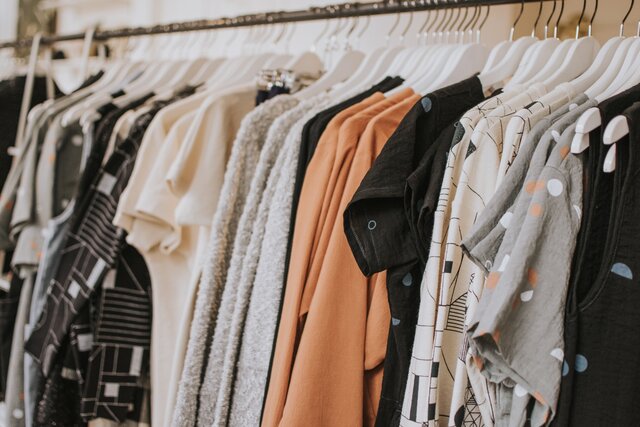
Alternatively, maintaining and cherishing purchased items for a long time can be a significant contribution. Instead of buying indiscriminately just because something is cheap or trendy, perhaps choosing based on factors like comfort and silhouette could be a good approach.
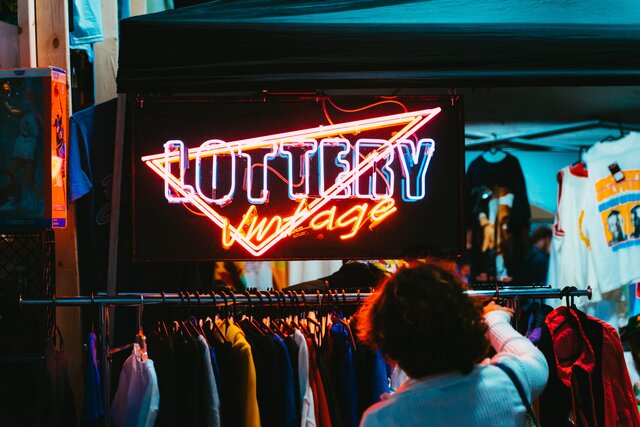
Furthermore, for clothes you no longer wear due to changes in size or preference, consider the 3Rs instead of discarding them as burnable waste. Options include utilizing secondhand shops, online auctions, and flea market apps. The 3Rs stand for REUSE (using pre-owned items again), REDUCE (minimizing waste generation and resource consumption during production), and RECYCLE (effectively utilizing waste materials as raw materials or energy sources). These are keywords for reducing waste and forming a circular economy.
Additionally, keep secondhand shops in mind as an option when shopping. Inheriting items that someone else cherished and continuing to cherish them is a readily achievable sustainable activity.
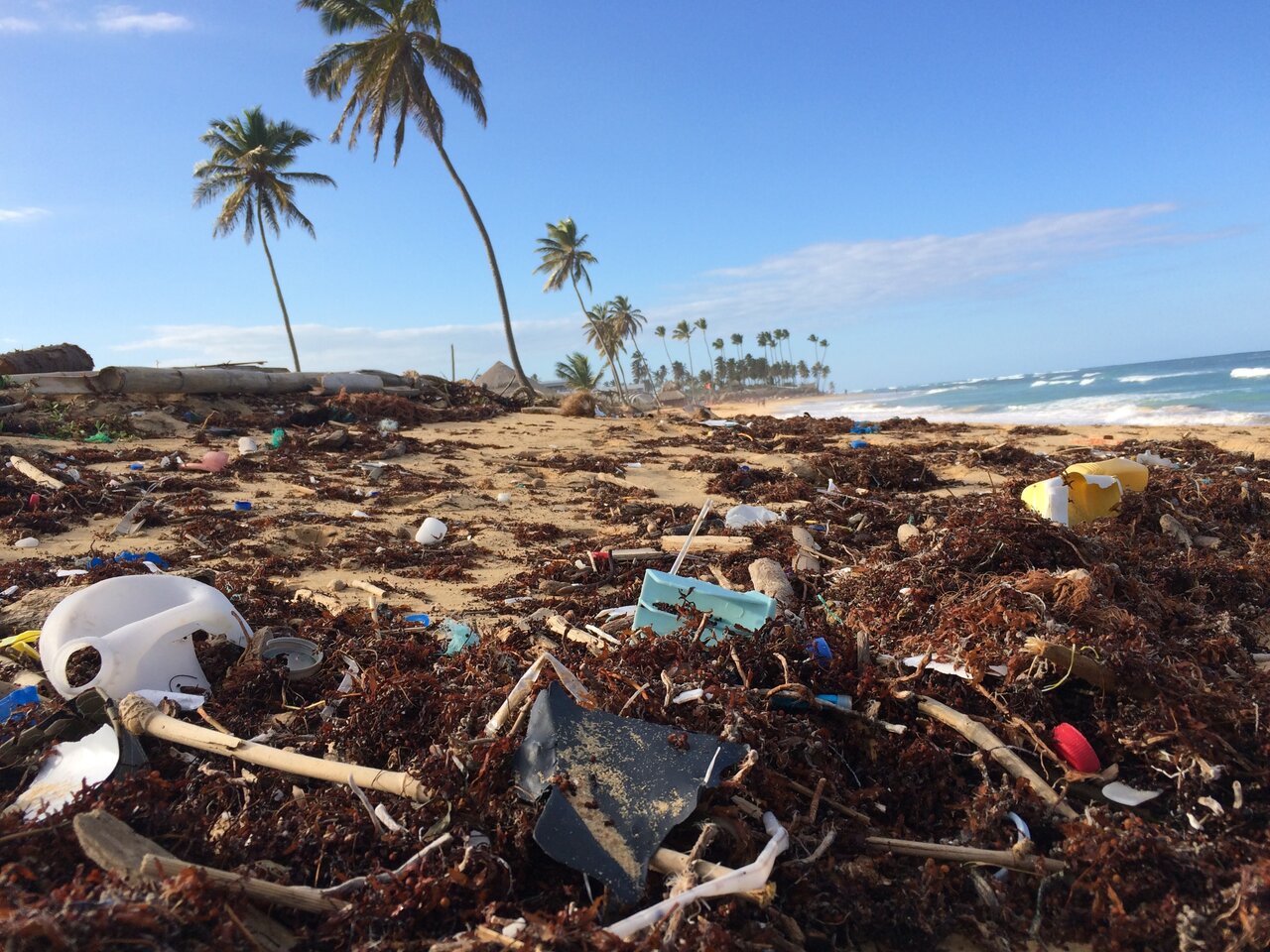
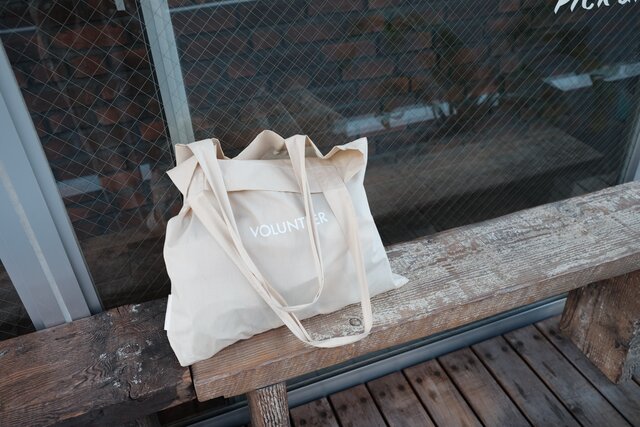
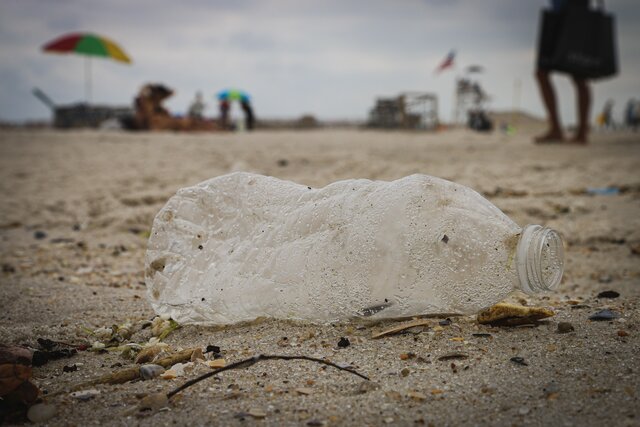
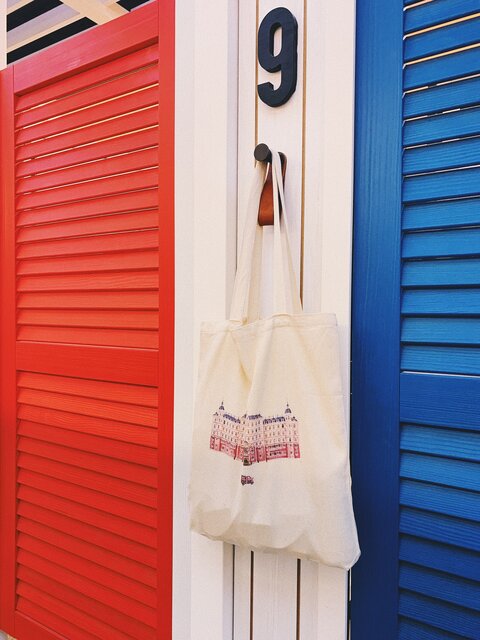
Refusing plastic packaging when shopping is an action that contributes to environmental conservation. It has become widely known in recent years that much of the plastic products we casually use and discard end up in the ocean, adversely affecting marine environments and ecosystems. Projections indicate that marine life could face extinction and marine resources could be depleted by 2048 if current trends continue. To curb severe marine pollution, it is important to actively work towards reducing plastic waste, such as by bringing your own reusable bag.
Protecting the global environment for the future is humanity's duty, responsibility, and challenge. Therefore, sustainable fashion is expected to become increasingly important. Let us each review our actions, consider what we can do now, and embrace the sustainable movement. Perhaps starting by learning about societal initiatives and activities would be a good first step. The accumulation of such small awareness and efforts will eventually create a powerful wave and change the world.