Kakitsubata's "Buds": Part 2 - "The Calendar Committee Continues"
Second Session: "The Calendar Committee Continues"
This is a new series, [Kakitsubata no 'Me'], from Kakitsubata, an interior design shop in Nakameguro, Tokyo.
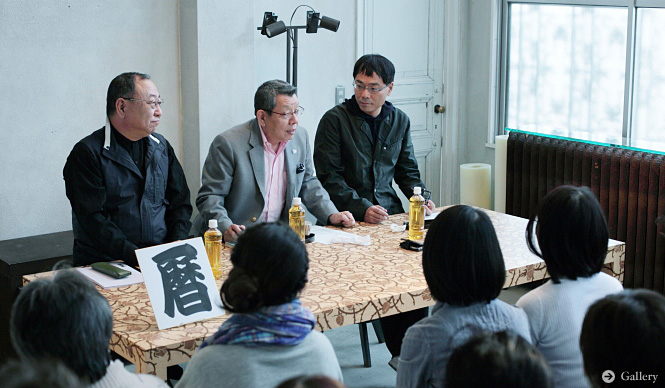
This time, we introduce "The Calendar Committee Continues," a gallery talk held on April 5th at the Kakitsubata Annex.
Text by Yukiko Shiroizu (Kakitsubata)Photo by Jamandfix
"There's still so much left to say and add before this year's 'Koyomi-chan' is released."
The gallery talk "Calendar Committee," which began last year, features Mr. Osamu Arai, a fan master from Asakusa Bunsendo; Mr. Sei-ko Ito, a creator; and Mr. Kichiyoshi Tachibana, a calligraphy master. They share insights on traditions passed down through generations, information and knowledge gathered from various regions, and the blessings of the seasons aligned with Japan's calendar and the passage of time, all in an engaging, entertaining two-hour session designed for oral transmission.
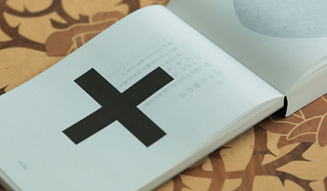
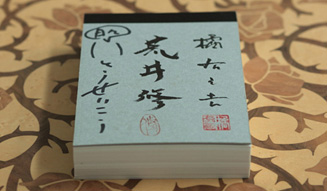
The daily calendar reader "Koyomi-chan," released at the end of last year, was created to be read by a wider audience. It meticulously transcribes the content of the talks given by the three speakers, covering January through December, in their original narrative format.
Responding to numerous requests to hear more of their engaging talks, we are now continuing with "The Calendar Committee Continues," holding sessions with specific themes. In particular, Mr. Arai, with his Edo-ite temperament and impatience, expressed that "there's still so much left to say and add before this year's 'Koyomi-chan' is released." Consequently, he shared calendar-related stories that hadn't been covered from January until now.
(↑To the Photo Gallery)
(↑To the Photo Gallery)
Do you know what comes after "One Fuji, Two Hawks, Three Eggplant"?
We will share just a part of the content.
In the past, there was a custom of giving fans as New Year's gifts.
Fans are considered auspicious items symbolizing spreading out, and it was customary to attach a fan to the 'Happy New Year' name tag when visiting for New Year's greetings, typically starting around January 2nd, as a token of goodwill to those one was close to.
The auspicious items for the first dream of the year, "One Fuji, Two Hawks, Three Eggplant," carry meanings of "safety, soaring high, and accomplishment." Following this are "Four Fans, Five Tobacco, Six Zato," signifying "spreading out, rising (like smoke), and accomplishment (as a Zato's shaved head resembles an eggplant)."
Furthermore, in terms of interpretation, the numbers one through six are equated: "Fuji = Fan = Spreading out," "Hawk = Tobacco = Rising," and "Eggplant = Zato = Accomplishment." This pattern, based on the number 'three,' is repeated.
The number 'three' is the first odd number and is indivisible (auspicious). Repeating it signifies a return to the beginning, starting anew.
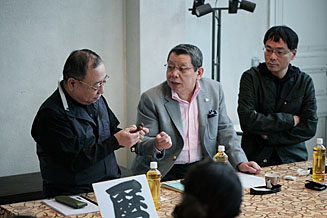
Although we were scheduled to restart with January's topic, as always, the three speakers, fond of conversation, led the discussion in various directions, returning, expanding, and even time-traveling to Edo. While it's unclear how far we progressed, we thoroughly enjoyed two hours filled with laughter.
"The Calendar Committee Continues Vol. 4"
Next session: Sunday, May 10th (Reservations required)will be held.
kakitsubata
2-16-7 Aobadai, Meguro-ku, Tokyo
12:00 PM - 7:00 PM
Closed Tuesdays
*Opening hours and closing days may vary depending on special exhibitions.
Tel. 03-3770-3401
www.kakitsubataweb.jp