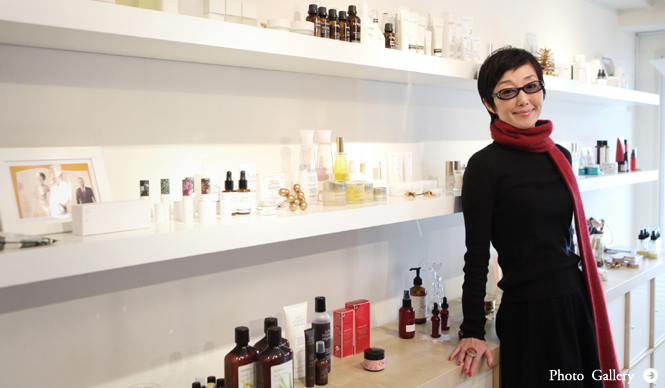
Chiaki Yoshikawa Interview | What is Natural Cosmetics Truly Needed Now?
Interview with Organic Coordinator Chiaki Yoshikawa (Part 1)
What Natural Cosmetics Are Truly Needed Now? 1
With the debut of the new brand "THREE" and Shiseido's acquisition of BareMinerals, the momentum in the natural cosmetics world shows no signs of slowing down in 2010. However, the market is now flooded with brands, a consequence of the boom from a few years ago, and simply being safe and environmentally friendly is no longer enough to differentiate. As consumers, we must now cultivate our discerning eye. Therefore, we asked Chiaki Yoshikawa, a specialist in organic cosmetics, about the latest trends in natural cosmetics.
Text by OPENERSPhoto by Kenta Suzuki
An Era Where Consumers Must Have a Discerning Eye
—It feels like the trend for natural cosmetics will continue. What are your thoughts on the current situation?
The trend will likely not end. That said, there are still few natural cosmetic brands with their own space on the department store's first floor cosmetic section, and not many stores like "Cosme Kitchen" that exclusively gather natural products. So, it's interesting to see how they will consolidate into groups in the future.
—What is the consumer perception of natural cosmetics?
Until about two years ago, "eco" and "organic" themselves were differentiators. However, now that many brands are available, I feel we have entered a stage where we need to go a step further and have a discerning eye. I want consumers to have their own clear preferences.
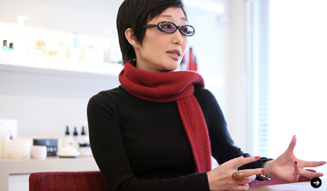
Chiaki Yoshikawa
—What is the intention behind brands that do not obtain organic certification?
It's not that 100% organic products don't exist. With a very simple formulation, for example, mixing organic plant oil and organic essential oil can create a massage oil. In that sense, 100% is possible. However, creams and lotions cannot be made by simply mixing ingredients; they require the power of science, even if not chemical. Some brands call themselves organic cosmetics with the philosophy of making them as much as possible from organic ingredients. These are brands that use their own standards and philosophy to claim the name "organic." There are also brands that don't claim to be organic but call themselves "natural cosmetics" with a low percentage of organic ingredients. Then there are brands that use natural ingredients, often wild-harvested or marine-based, but don't necessarily focus on organic cultivation. "Organic" basically refers to things grown in fields, but recently, there's a trend to include marine ingredients. Especially for anti-aging ingredients, companies are competing to adopt marine-based materials. Cosmetics made primarily from marine ingredients like seaweed may be referred to as "natural cosmetics" in the sense of "natural" rather than "organic." Another category is brands that use organic ingredients but deliberately do not emphasize their organic nature.
Introducing Recommended Natural Cosmetics
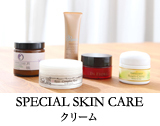
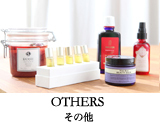
Interview with Organic Coordinator Chiaki Yoshikawa (Part 1)
What Natural Cosmetics Are Truly Needed Now? 2
Safe and Secure, But Useless If Ineffective
—Are there any advantages to not explicitly stating that a product is organic?
When a product is labeled as organic, the focus tends to be on health and safety. Brands that want to emphasize efficacy or compete more broadly may choose not to label themselves as organic cosmetics, preferring to compete as general cosmetics. It's true that more brands are adopting this approach. "Effective" is a key word; no matter how safe and secure a product is, it's meaningless if it doesn't work. Previously, value was placed on being organic, but many people now view organic products with skepticism, thinking, "Organic doesn't work, does it?" This is likely why some brands are choosing not to highlight their organic status.
—What kind of brands fall into this category?
For example, "Oshiem" doesn't heavily promote its organic nature, but it uses a wealth of organic ingredients. The developer, Jan Kuzmirek, is a world-renowned aromatherapist and a founding member of the UK's organic certification body, the Soil Association. The new products from "Jurlique" are also like this. While they may not have certification, upon opening, you'll find that 85% to 90% are made using biodynamic, pesticide-free organic farming methods, a more specialized approach within organic farming. Including preservatives, nearly 99% of the ingredients are naturally derived. "Sisley," known for its luxurious products, also uses excellent plant-based ingredients as a pinnacle of photocosmetology. Furthermore, "THREE" specializes in aromatherapy and is also quite particular about its organic ingredients. However, their packaging design suggests a desire to appeal to those not necessarily interested in organic products.
—I see. So, there are more and more cosmetics that offer the efficacy expected from conventional cosmetics.
Exactly. When you use products like "Oshiem" or "In Fiore," you can really feel the effects. They are safe to use, and you don't have to compromise on texture. They can even fulfill higher expectations, such as pleasant absorption and firmness. Even if not at this highest tier, the fundamental power of plants is truly remarkable. While chemical products may surpass them in terms of usability and convenience, there are also brands that allow you to feel the simple beauty of nature and appreciate it through your skin. Therefore, I recommend choosing based on what you are looking for.

Young people shouldn't use excessively rich products; with experience, they will naturally come to recognize good quality. The difference between organic and natural cosmetics and regular cosmetics lies in their fragrance and texture. Therefore, I recommend trying them out once. Visit places like Isetan's "Beauty Apothecary" and consult with a concierge to try them. You'll find it becomes a pleasure.
Introducing Recommended Natural Cosmetics
Interview with Organic Coordinator Chiaki Yoshikawa (Part 1)
What Natural Cosmetics Are Truly Needed Now? 3
Will Mineral Makeup Lead the Way in Natural Cosmetics?
—Finally, when we talk about organic cosmetics, we tend to think of skincare. Could you tell us about makeup as well?
Actually, when I give skincare advice, makeup often comes up. Even if I recommend excellent skincare products, many people inadvertently ruin their skin with their makeup choices. In this context, the emergence of mineral makeup offers a potential solution. I'm hopeful it will complete the picture.
Organic cosmetics primarily use plants cultivated in fields. However, in terms of being natural, safe, and derived from nature, if we don't get too caught up in organic versus inorganic, I think mineral makeup could be considered a form of organic makeup. Mineral makeup seems to be the natural counterpart to organic cosmetics. Makeup is superficial, isn't it? If skincare is a way of life, then makeup is about adornment. My personal hope is that the mass market, which simply wants to enhance their appearance regardless of origin, will turn to minerals. This, in turn, could foster a greater appreciation for natural ingredients and benefit the existing organic cosmetics market.
—Thank you very much.


YOSHIKAWA Chiaki
Organic Coordinator
Under the concept of "becoming beautiful by relieving stress," she presides over five salons and spas emphasizing natural aesthetics, including Jurlique Shop Aoyama, Shirokanedai, and Bio Pascal. She established the "Wakkasa Kampo Pharmacy," Japan's first traditional Chinese medicine pharmacy exclusively for women, in Ginza. In December 2008, she opened "Bio Daikanyama," a PR room for organic and natural cosmetics, in Daikanyama.
She offers proposals for natural and beautiful lifestyles for women from various perspectives, including cosmetics, skincare, spas, women's health, diet, traditional Chinese medicine, and ways of living. She is an instructor at the International Association of Plant Therapy and holds certification from CIDESCO, an international organization for aesthetics and cosmetology headquartered in Zurich. Her favorite phrase is "natural and elegant." Her books include "Female Hormone Academy from Pre-Menopause" (Shogakukan), "Beautiful Body, Mind, and Skin: Female Hormone Academy" (Shogakukan), "Aroma Combination Handbook" (Chikyu-maru Karada Books), "Beautiful Skin, Kampo Academy" (Shogakukan), and "Adult Women's Beauty Course" (PHP Institute).
Official Website: www.chiaki-yoshikawa.com
Introducing Recommended Natural Cosmetics